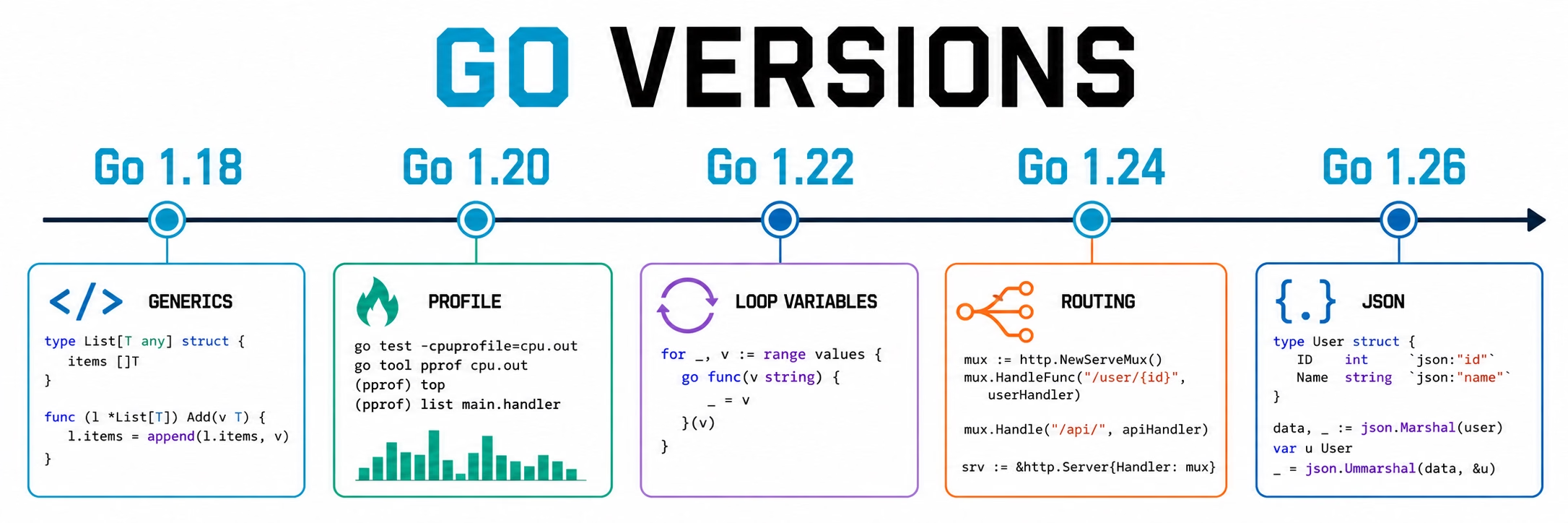
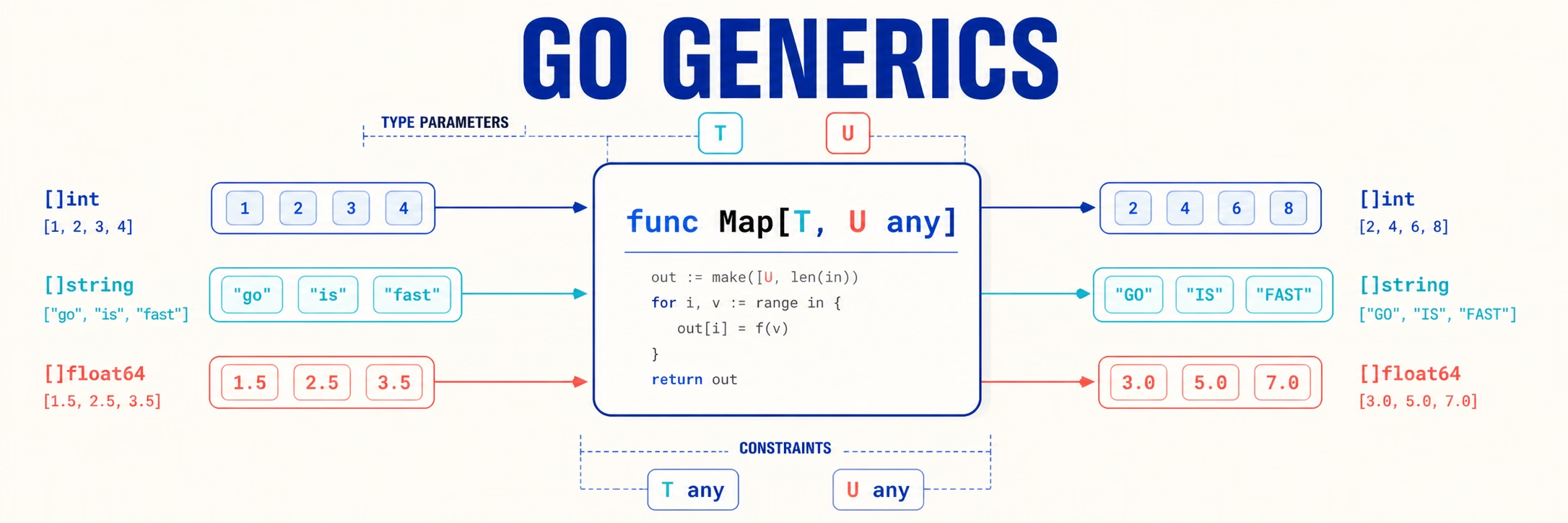
Go 1.18 引入的泛型(Generics)是 Go 历史上最具革命性的特性。它让代码复用和类型安全达到了新高度。
基本语法 泛型函数 1 2 3 4 5 6 7 8 9 10 11 12 13 14 15 func Map [T , U any ](s []T, f func (T) make ([]U, len (s))for i, v := range s {return resultint {1 , 2 , 3 }func (i int ) string {return fmt.Sprintf("#%d" , i)
泛型类型 1 2 3 4 5 6 7 8 9 10 11 12 13 14 15 16 17 18 19 20 21 22 23 24 25 type Stack[T any] struct {func (s *Stack[T]) append (s.items, v)func (s *Stack[T]) bool ) {if len (s.items) == 0 {var zero Treturn zero, false len (s.items)-1 ]len (s.items)-1 ]return v, true int ]{}42 )string ]{}"hello" )
类型参数推断 Go 1.18+ 支持从函数参数推断类型参数:
1 2 3 4 5 6 7 8 func (i int ) string {return fmt.Sprintf("#%d" , i)int , string ](ints, func (i int ) string {return fmt.Sprintf("#%d" , i)
类型约束(Constraints) 约束定义了类型参数必须满足的要求。
内置约束 1 2 3 4 5 6 7 8 9 10 11 func Identity [T any ](v T) return v }func Index [T comparable ](s []T, v T) int {for i, item := range s {if item == v {return ireturn -1
自定义约束 约束本质上是接口:
1 2 3 4 5 6 7 8 9 10 11 12 13 14 15 16 type Number interface {int | ~int64 | ~float64 | ~float32 type MyInt int func Add [T Number ](a, b T) return a + bvar a MyInt = 10 var b MyInt = 20
约束组合 1 2 3 4 5 6 7 8 9 10 11 12 13 14 15 type Stringer interface {string type Printable interface {func PrintEqual [T Printable ](a, b T) if a == b {
cmp 包 标准库 cmp
1 2 3 4 5 6 7 8 9 import "cmp" func Min [T cmp .Ordered ](a, b T) if a < b {return areturn b
注意:标准库 cmp 包除 Ordered 约束外,还提供了 Compare 与 Less 两个泛型函数。如需 Signed、Unsigned、Integer、Float 等更细粒度的约束,可使用 golang.org/x/exp/constraints(实验性包)。
实用示例 泛型链表 1 2 3 4 5 6 7 8 9 10 11 12 13 14 15 16 17 18 19 20 21 type Node[T any] struct {type LinkedList[T any] struct {func (l *LinkedList[T]) func (l *LinkedList[T]) func (T) bool ) *Node[T] {for n := l.Head; n != nil ; n = n.Next {if f(n.Value) {return nreturn nil
泛型 Map 工具 1 2 3 4 5 6 7 8 9 10 11 12 13 14 15 16 17 18 19 20 21 22 23 24 func Filter [T any ](s []T, f func (T) bool ) []T {make ([]T, 0 )for _, v := range s {if f(v) {append (result, v)return resultfunc Reduce [T any , U any ](s []T, init U, f func (U, T) for _, v := range s {return resultint {1 , 2 , 3 , 4 , 5 , 6 }func (n int ) bool { return n%2 == 0 })0 , func (a, b int ) int { return a + b })
泛型单例 1 2 3 4 5 6 7 8 9 10 11 type Singleton[T any] struct {func (s *Singleton[T]) func () func () return s.instance
泛型 Repository 模式 1 2 3 4 5 6 7 8 9 10 11 12 13 14 15 16 17 18 19 20 21 type Repository[T any] interface {string ) (*T, error )error )error error string ) error type User struct {string string type InMemoryRepo[T any] struct {map [string ]*Tfunc NewInMemoryRepo [T any ]() return &InMemoryRepo[T]{data: make (map [string ]*T)}
高级技巧 类型约束的巧妙用法 1 2 3 4 5 6 7 8 9 10 type Entity interface {string func Save [T Entity ](e T) error {
泛型方法 Go 不支持泛型方法,只能在泛型类型上定义方法:
1 2 3 4 5 6 7 8 9 10 11 type Box struct {}func (b Box) func (T) type Box[T any] struct {func (b Box[T]) func (T) return Box[T]{value: f(b.value)}
泛型与接口 泛型类型可以实现接口:
1 2 3 4 5 6 7 8 9 10 11 12 type Container interface {int type Box[T any] struct {func (b *Box[T]) int { return len (b.items) }var _ Container = (*Box[int ])(nil )
常见陷阱 零值问题 1 2 3 4 5 6 7 8 9 10 11 12 13 14 15 16 func First [T any ](s []T) if len (s) == 0 {var zero T return zeroreturn s[0 ]func SafeFirst [T any ](s []T) bool ) {if len (s) == 0 {var zero Treturn zero, false return s[0 ], true
约束过松 1 2 3 4 5 6 7 8 9 func Add [T any ](a, b T) return a + b func Add [T Number ](a, b T) return a + b
约束过紧 1 2 3 4 5 6 7 8 9 10 11 12 13 14 15 16 17 func Double (s []int ) int {make ([]int , len (s))for i, v := range s {2 return resultfunc Double [T Number ](s []T) make ([]T, len (s))for i, v := range s {2 return result
滥用泛型 不是所有地方都需要泛型:
1 2 3 4 5 6 7 8 9 10 11 12 13 14 15 func PrintInts (s []int ) for _, v := range s {func PrintSlice [T any ](s []T) for _, v := range s {
性能考虑 GC Shape 特化(并非逐类型特化) Go 泛型并非 为每个具体类型生成一份独立代码,而是采用 GC Shape Stenciling(GC 形状特化)+ 字典 的实现策略:
编译器按 GC shape (垃圾回收表示相同的类型归为一组)生成一份代码,而非每个类型一份。 所有指针类型共享同一个 GC shape,只生成一份实例化代码。 相同大小、对齐方式的类型(如 int 与 float64)也可能共享代码。 运行时通过 字典(dictionary) 传递类型信息(如方法分派、类型断言所需的数据)。 1 2 3 int {...}, func (i *int ) int { ... })string {"a" , "b" }, func (s string ) string { ... })
因此在泛型函数中通过类型参数进行方法调用或类型断言时,存在一次字典查找的轻微开销;而纯粹的算术运算(如 +、-)由于约束已知,往往能被内联优化掉,开销可忽略。
避免在热路径用泛型做不必要的间接 对于性能极度敏感且类型固定的热路径,直接使用具体类型可以省去字典查找与泛型分派:
1 2 3 4 5 6 7 8 9 10 11 12 13 14 15 16 17 func Sum [T Number ](s []T) var sum Tfor _, v := range s {return sumfunc SumInt64 (s []int64 ) int64 {var sum int64 for _, v := range s {return sum
实测前先 benchmark:大多数场景下泛型开销可忽略,不要为了「可能的开销」而过早放弃复用性。
内存布局 泛型类型的内存布局与具体类型完全相同,Stack[int] 与手写的 IntStack 在内存上没有区别,不存在额外开销。
最佳实践 优先使用标准库 Go 1.21+ 标准库提供了很多泛型工具:
1 2 3 4 5 6 7 8 9 10 11 12 13 import ("slices" "maps" int {3 , 1 , 2 })string {"a" , "b" }, "b" )
iter 包与 range-over-func(Go 1.23+) Go 1.23 引入的范围遍历函数(range over func)与泛型结合,让自定义迭代器非常优雅:
1 2 3 4 5 6 7 8 9 10 11 12 13 14 15 16 17 18 19 20 21 22 import "iter" func Map [T , U any ](s []T, f func (T) return func (yield func (U) bool ) {for _, v := range s {if !yield(f(v)) {return for s := range Map([]int {1 , 2 , 3 }, func (i int ) string {return fmt.Sprintf("#%d" , i)
相比返回切片,迭代器是惰性求值的,适合处理大数据集或无限序列。
约束要恰到好处 1 2 3 4 5 6 7 8 func Process [T any ](v T) func Process [T int | int64 ](v T) func Process [T Number ](v T)
文档要清晰 1 2 3 4 5 func Sort [T cmp .Ordered ](s []T)
测试要覆盖多种类型 1 2 3 4 5 6 7 8 9 10 11 12 13 14 15 16 17 18 func TestMin (t *testing.T) struct {string int int "ints" , 1 , 2 , 1 },"negative" , -1 , -2 , -2 },for _, tt := range tests {func (t *testing.T) if got := Min(tt.a, tt.b); got != tt.want {"Min(%v, %v) = %v, want %v" , tt.a, tt.b, got, tt.want)
总结 Go 泛型的核心价值:
特性 收益 类型参数 代码复用,减少重复 类型约束 编译期类型安全 类型推断 使用简洁 GC Shape 单态化 运行时近乎零开销
使用原则:
需要处理多种类型且保持类型安全 → 用泛型 类型固定或只需要一种类型 → 不用泛型 需要 interface{} + 类型断言 → 优先考虑泛型 性能敏感且类型固定 → 用具体类型